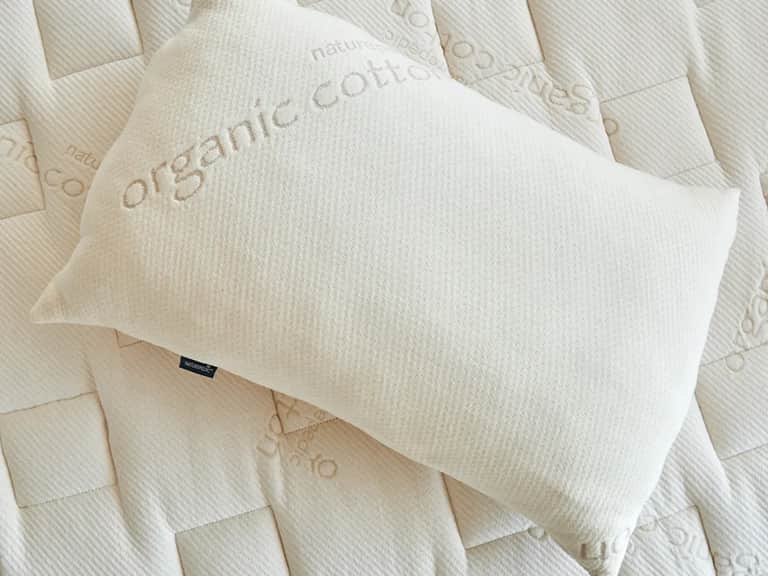
Latex is a natural material valued for its supportive and breathable properties in bedding, including pillows, mattresses, and toppers. It typically comes in either Dunlop or latex foam formats, with varying firmness levels to accommodate different sleeping positions. Understanding latex’s resilience helps explain its long-term comfort and durability in bedding ecosystems.
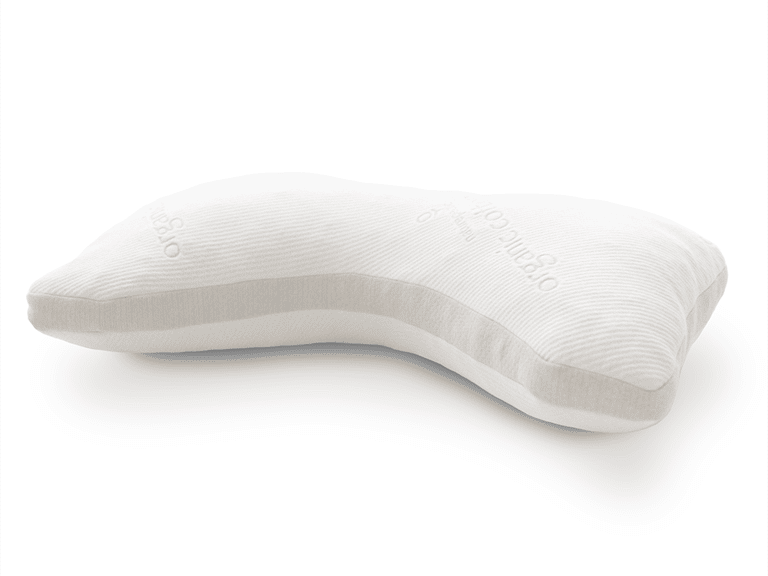
Natural latex pillows, such as the Naturepedic Organic Side Sleeper Pillow, are designed to support head and neck alignment while maintaining pressure relief. Key features often include organic certification, medium to medium-firm responsiveness, and a breathable cover. These elements contribute to a cooler sleep surface and reduced pillow flattening over time.
In bedding applications, latex provides excellent contouring without excessive sink, supporting spinal alignment for side, back, or combination sleepers. Its inherent resilience aids in maintaining shape after compression, while ventilation channels promote air circulation. This combination can lead to consistent sleep comfort and a more hygienic sleeping environment.
Choosing latex within the bedding category often involves considering cover materials, fill composition, and certifications. Organic mattresses and latex pillows frequently pair well with breathable cotton or wool covers, enhancing tactile feel and allergen resistance. For side sleepers, a pillow with sufficient loft and supportive core can reduce shoulder and neck strain.
The Naturepedic Organic Side Sleeper Pillow illustrates how latex-based products balance plush comfort with durable support. Its organic construction, responsiveness, and shape retention are typical benefits that support a stable, neutral alignment across sleep styles. Such attributes are commonly highlighted alongside bedding elements like pillows, sheets, and duvet covers in informed discussions about sleep ergonomics.
 Bedding