The bed as a vital ecosystem: materials that marry comfort with resilience
In homes where pets share space with people, the bed becomes more than a resting surface; it is a living, evolving micro-environment. Materials matter not only for softness or loft but for durability, cleanability, and the animal’s health. The modern pet bed often balances three layers: a durable exterior shell, an absorbent or moisture-managing core, and a comfy interior fill. Each layer responds differently to daily wear, washing, and the unpredictable rhythms of pets—whether a curious puppy, a senior cat, or a multi-pet household.
Cotton remains a longstanding favorite for its natural feel and breathability. Organic cotton shells reduce chemical exposure and support sustainable farming, while the percale or sateen weaves influence texture and temperature regulation. Microfiber blends offer durability and stain resistance, though breathability can vary. Waterproof linings and mattress protectors contribute an essential layer of defense against accidents, seasonal shedding, and spills, helping preserve the core bedding beneath. The goal is to choose materials that minimize odor retention, ease cleaning, and provide consistent comfort after repeated washing.
Key material families at a glance
- Cotton and organic cotton: Natural, breathable, and easy to wash. Organic options reduce chemical exposure and support eco-conscious choices.
- Microfiber and synthetic blends: Durable, stain-resistant, and often more affordable. Breathing performance varies; look for breathable constructions and fabric finishes.
- Waterproof and water-resistant liners: Critical for accidents and temperature-controlled environments. Opt for breathable waterproof layers to maintain airflow.
- Hypoallergenic and antimicrobial finishes: Beneficial for pets with allergies or sensitive skin, though verify claims with independent testing data where possible.
The aim is to balance three pillars: durability for busy households, ease of maintenance for owners, and comfort for pets. In practice, this often means layering—a washable outer cover, a moisture-wicking interior, and a water-repellent liner that remains breathable. For families with multiple pets, higher lofts and reinforced seams reduce the need for frequent replacement. For senior animals with joint concerns, materials that offer gentle support and temperature stability can improve sleep quality and activity levels during waking hours.
How to match materials to pet profiles
Different pets have distinct sleep styles, temperature preferences, and cleanliness needs. A careful assessment of your companion’s size, activity level, and any health considerations—such as arthritis, allergies, or incontinence—helps determine the best bed material.
Small dogs and cats with sensitive skin
- Choose organic cotton shells with a crisp, breathable weave (percale) for a cooler surface.
- Pair with a hypoallergenic, washable fill or a Down Featherbed with a breathable organic cotton shell, ensuring a balance between loft and support.
- Incorporate a waterproof, breathable liner to manage accidents without sacrificing comfort.
Active medium-to-large dogs
- Durable blends (poly-cotton or heavy-duty microfiber) with reinforced seams resist scratching and chewing.
- Waterproof layers are critical in households with multiple pets or seasonal accidents; breatheability is essential to prevent heat buildup.
- Consider higher-loft cores that distribute weight evenly, reducing pressure points for joints.
Senior pets and arthritic conditions
- Supportive foams or latex cores with contouring properties can alleviate pressure on hips and joints.
- Warmth and temperature regulation become important; natural fibers plus breathable covers reduce stiffness caused by cold surfaces.
- Easy-clean materials minimize stress during routine cleaning, helping maintain consistent sleep routines.
Practical guide to maintenance and longevity
A bed designed for longevity should withstand weekly washing cycles and occasional deep cleans without losing shape or protection quality. Look for machine-washable covers, reinforced stitching, and simple zipper systems that allow safe removal of fills for laundering. When possible, select protectors or liners that are waterproof yet breathable—this combination minimizes odor buildup and extends the life of the bedding underneath.
For households juggling busy schedules, quick-start decisions can streamline bed selection:
- Prioritize durability if you share spaces with multiple pets.
- Favor easy-care fabrics for busy owners and constant pet activity.
- Evaluate waterproof options to manage seasonal changes and accidents.
A practical case study: The Down Featherbed as a model of comfort and care
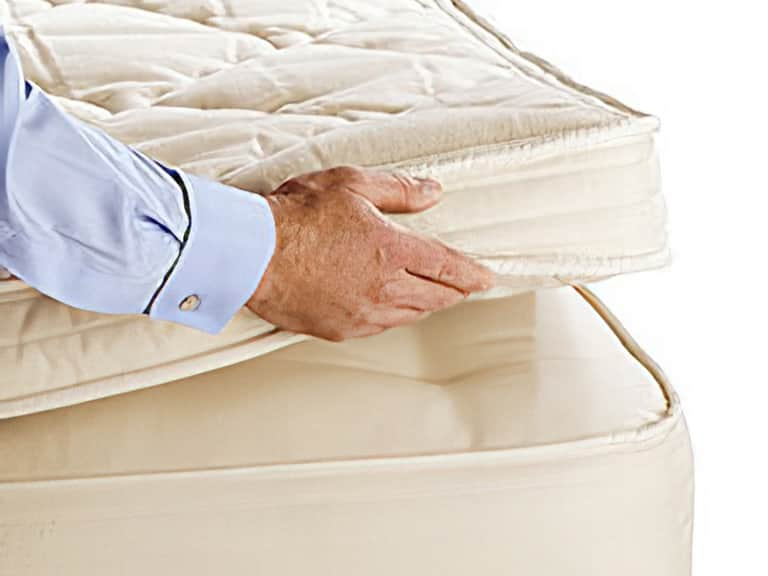
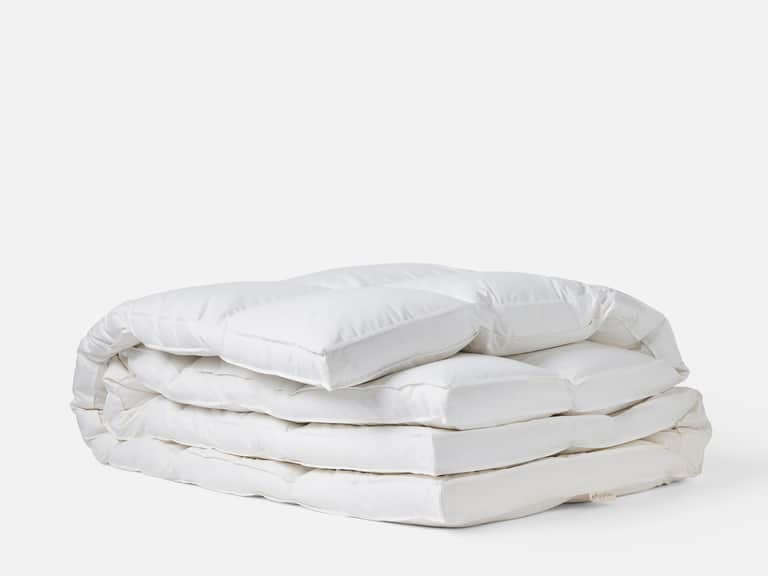
The Down Featherbed, crafted with a breathable organic cotton shell and a premium feather-and-down fill, demonstrates how a multi-layered approach can yield lasting loft and edge-to-edge support. Its 14-inch baffle-box construction ensures consistent distribution of fill, preventing matting in high-use areas such as near doors, windows, or the center of a family room. Though this featherbed is designed for human beds, its principles translate to pet bedding: a durable exterior, gentle fill distribution, and a careful balance of warmth and breathability.
Imagine a pet bed that echoes the featherbed’s principles—organic exterior, well-distributed loft, and a fill that remains resilient after countless washings. Such a design supports pets across ages and sizes, delivering enduring comfort with minimal maintenance. For households seeking a premium option, the Down Featherbed offers a blueprint for how to engineer longevity into pet bedding without sacrificing softness and warmth.
Product spotlight: Durable, washable comfort

Down Featherbed: A model of layered comfort
Lofty, breathable, and thoughtfully constructed, the Down Featherbed combines an organic cotton shell with a premium feather-and-down fill. The 14-inch baffle-box design ensures even distribution, creating a stable, edge-to-edge cushion that preserves loft over time. While this product is described for human use, its design ideals—durability, balance, and easy care—offer a compelling blueprint for high-quality pet bedding.
Key features: Organic cotton shell, feather-and-down fill, 14" baffle-box, double-washed fill, spot-cleaning care.
Time-honored voices: three insights across time
The question of how best to care for living beings and their resting spaces has long engaged scholars, designers, and caregivers. Three notable perspectives—from different eras—offer enduring guidance.
1) Pre-Industrial Observations: The Wisdom of Small Spaces (18th–19th centuries)
In times when households ran lean but cared deeply for every creature within them, the shelter of a pet often paralleled the comfort of human rest. Small, well-furnished beds that used natural fibers were valued for their breathability and durability. The sensibility of keeping bedding clean with natural materials echoed today’s emphasis on hypoallergenic and organic options, reminding us that comfort and health are inseparable in a shared sleeping space.
2) Mid-20th-Century Design Thinkers: Function Meets Warmth
As furniture design embraced synthetic fibers and durable composites, the instinct to prioritize easy maintenance while preserving warmth grew stronger. The idea that a bed should offer both practical resilience and a sense of home comfort resonates with today’s waterproof liners, washable covers, and robust seam construction—acknowledging that utility and tenderness can coexist in pet bedding.
3) Contemporary Perspectives: Care, Texture, and Sustainability
Modern voices emphasize transparency, safety, and environmental stewardship. Materials such as organic cotton, natural latex, and responsibly sourced down reflect a broader commitment to humane, low-impact production. The care narrative extends beyond the bed’s surface to its entire lifecycle—from fiber to wash cycle—echoing a planetary care ethic that seeks comfort without compromise.
Glossary and quick-reference buying guide
This quick-reference guide helps you translate material features into everyday decisions:
- Organic cotton: natural, breathable, and often produced with reduced chemical inputs.
- Percale vs. sateen: crisper, cooler percale versus softer, warmer sateen finishes.
- Waterproof liners: barrier against spills while remaining breathable to avoid heat buildup.
- Hypoallergenic fills: designed to minimize allergen exposure; verify certifications.
- Removable, washable covers: simplify cleaning and extend overall lifespan.
Preview of related products and considerations
The following product exemplars illustrate how materials translate into practical options for pet households:
Down Featherbed-inspired dog bed concept
A dog bed concept reflecting the Down Featherbed’s principles—a breathable organic cotton shell, lofted fill, and durable construction that supports extended rest periods.
Waterproof liner essentials
Breathable waterproof liners to protect core materials without trapping heat, suitable for dogs that shed heavily or have urinary incontinence concerns.
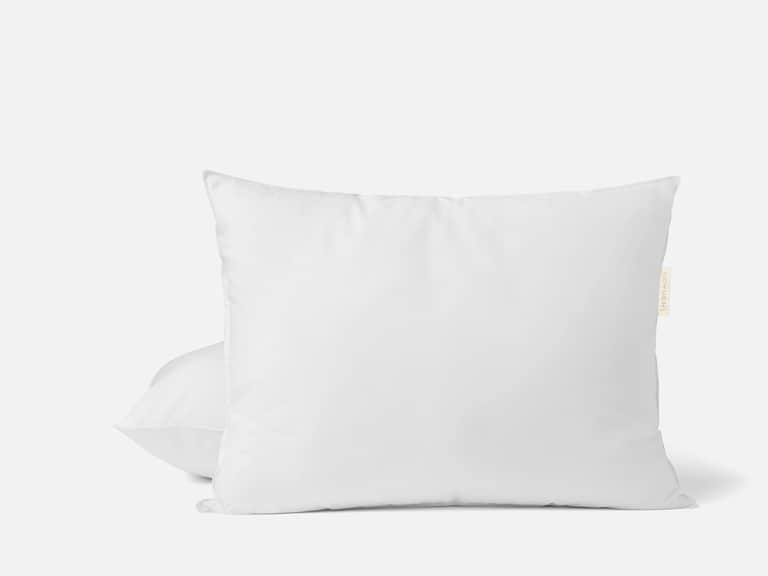
For readers seeking a concrete, purchasable example directly connected to the themes discussed, consider a product that mirrors the durability and comfort ethos described here. The Down Pillow, crafted with double-washed down in an organic cotton shell, illustrates how a breathable core and natural exterior support restful sleep. While designed for human use, its meticulous structure—washable materials, edge-to-edge loft, and a commitment to natural fibers—offers a transferable blueprint for pet bedding design, especially in high-use environments.
In sum, selecting the right bed material for pets is about balancing comfort, durability, and hygiene. By weighing fabric families, care requirements, and the presence of waterproof layers, pet owners can create sleep spaces that enhance longevity, reduce maintenance burdens, and—perhaps most importantly—foster the quiet wellbeing that comes with a good night’s rest for both animals and humans.