Comforters are lightweight, insulating coverings designed to provide warmth while maintaining a breathable sleep environment. They typically feature a soft outer shell and a filled interior that traps heat without adding excessive weight. Many options prioritize allergy-friendly materials and easy care, contributing to a healthier and more restful night’s sleep in various climate conditions.
Key features to consider include fill material, thread count, and shell fabric. Down-alternative fills offer hypoallergenic properties and consistent warmth, while natural fills like wool or cotton can regulate temperature. Shell fabrics in cotton or microfiber influence softness, drape, and durability, affecting comfort across seasons and sleeping preferences.
In pet-friendly or allergy-conscious contexts, choosing a comforter with easily washable covers and enclosed seams helps reduce exposure to allergens. Some designs also incorporate moisture-wicking or breathable linings, supporting a cooler feel during warmer nights. Proper care guidelines extend the life of comforters and preserve their insulation qualities.
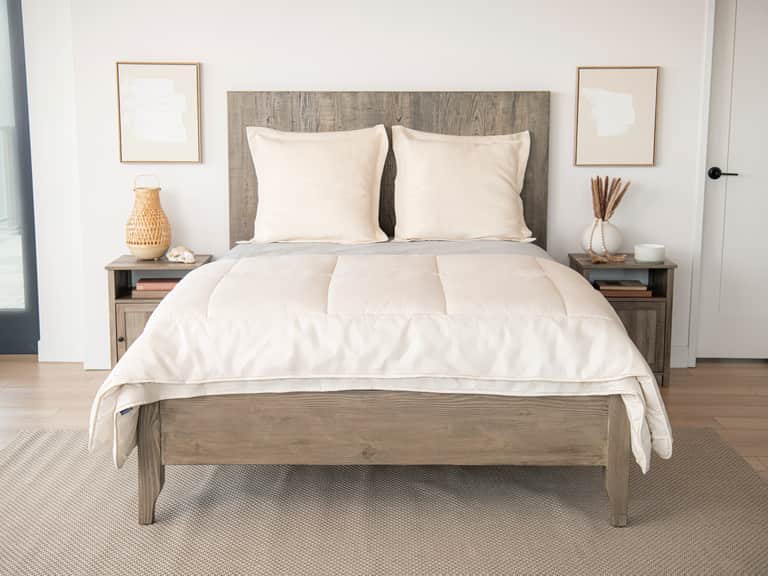
The Naturepedic Alpaca Duvet Insert Comforter exemplifies advanced comforter design with luxurious warmth and sustainable materials. Alpaca fibers offer natural softness and thermal efficiency, while a thoughtfully constructed insert retains loft and shape. Functional benefits include even heat distribution, reduced weight, and enhanced comfort during varied sleep cycles.
When evaluating comforters for petbed-related environments, consider sizing consistency, loft durability, and care flexibility. Integrating bedding elements such as organic mattresses, pillows, sheets, and duvet covers alongside reliable comforters supports a cohesive sleep system. Keywords like bedding, pillows, sheets, duvet covers, and organic mattresses reflect the broader context of a well-rounded sleep setup.
 Bedding