Pet Bed, Sleep, and Sanctuary: How We Create Comfort for Our Furry Companions
A thoughtfully designed guide to pet bedding, sleep health, and the quiet rituals that cradle a pet’s nightly rest. Drawing on scientific insight, timeless design, and the humane art of care, this piece explores how beds become more than furniture — they become the stage for vitality, safety, and lasting companionship.
Introduction: The Domain of Comfort
The name petbedshop evokes an arena where comfort and commerce meet. Yet in this exploration, we untangle the idea of a “shop” into a hub of information: how to choose, maintain, and understand pet bedding as a cornerstone of welfare. A bed is not merely a place to rest; it is a sanctuary that can influence mobility, behavior, and emotional health. From the subtle contour of a pillow to the engineering of a sleep system, the bed aligns with the science of rest and the art of home life.
Across eras and disciplines, the pursuit of pet comfort has always reflected a broader human curiosity: how do we translate care into everyday objects that endure, adapt, and invite trust? This article threads together historical perspectives on sleep, modern design principles, and practical guidance for contemporary households.
Three Key Figures in the History of Sleep, Comfort, and Design
-
Hypnos and Sleep Architecture: Antiquity to Enlightenment
Hypnos, the personification of sleep in ancient myth, represents humanity’s long fascination with rest as a generative force. Early notions of sleep emphasized restful stillness, ritual waking, and seasonal rhythms. In households that shared life with animals, the bed was a portal to harmony between species — a place where humans and animals coexisted in shared quietude. The thread through centuries is clear: a good night’s sleep belongs to the whole family of beings under the roof, including pets who share our beds and, in many cultures, our bedsides.
The modern echo of this idea can be seen in sleep science that ties joint health, inflammation, and stress to the quality of bedding. While Hypnos remains a mythic emblem, contemporary researchers document how pressure distribution, temperature regulation, and support influence sleep quality for all sleepers — bipeds and quadrupeds alike.
-
Mary Ainsworth and the Caregiver’s Eye: Comfort, Attachment, and Environment
In the 20th century, developmental psychology introduced the concept that environmental comfort shapes security and behavior. Though focused on human infants, the caregiver’s eye — a sensitivity to environments that reduce distress and promote exploration — translates directly to how we design spaces for pets. A pet bed is not a luxury; it is a behavioral tool that fosters confidence, reduces anxiety, and invites restful patterns. A well-chosen bed can be the anchor of crate training, a safe retreat during stressful moments, and a stage for peaceful companionship.
In practice, this translates to choosing materials, textures, and shapes that suit a pet’s physiology and temperament — a lineage of thought that informs today’s breathable fabrics, orthopedic foams, and washable fabrics that support welfare across species and life stages.
-
Contemporary Designers and Sleep Scientists: The Era of Evidence-Based Comfort
In recent decades, designers and researchers have joined forces to quantify sleep-supportive design. We’ve learned that contouring memory foam or latex cores, breathable covers, and easily cleanable layers contribute to longer, deeper rest for animals with joints that demand comfort. The modern pet bed blends science and sensibility: it is adaptable, durable, and easy to maintain, allowing caregivers to observe and optimize their pets’ rest practices in real-world homes.
From hypoallergenic fillings to moisture-wicking fabrics and waterproof barriers, this era values transparent labeling, safety standards, and simple care routines. The bed becomes a living part of the home’s climate, a curated space that respects both animal physiology and human peace of mind.
The Pillars of a Pet Sleep Program: How to Build a Welcoming Bed Zone
A bed is a micro-environment with four essential axes: support, warmth, cleanliness, and accessibility. When you evaluate beds through these lenses, you craft a sleep system rather than a single object. Here are the pillars that frame a thoughtful approach.
- Support and Alignment: Dogs and cats may benefit from different forms of support depending on age and breed. For dogs with joint pain or arthritis, orthopedic foam cores or memory foam surfaces provide contouring that reduces pressure points. For cats that stretch or curl, a cocoon-like bolster bed offers a sense of enclosure while supporting the spine.
- Temperature Regulation: Breathable fabrics, moisture-wicking covers, and materials with good air circulation help maintain a stable microclimate. In hot climates, cooling gels and lightweight inner foams can prevent overheating; in cold seasons, plush surrounds and insulating fills provide warmth without excess bulk.
- Cleanliness and Hygienic Design: Removable, washable covers and waterproof barriers protect fills from accidents and spills. The ability to clean layers without disassembling the entire bed extends both hygiene and longevity, a practical virtue for households with multiple pets or children.
- Accessibility and Placement: Beds should be placed where pets naturally retreat after activity, near family spaces yet shielded from drafts. A bed with a non-slip bottom and a stable base reduces anxiety and aids in secure rest, especially in busy homes.
In this framework, the choice of materials matters as much as the bed’s shape. The world of pet bedding spans memory foam, latex, down-alternative fills, and hypoallergenic layers. Each choice has trade-offs: resilience, washability, chew resistance, and allergen potential. The goal is to assemble a sleep environment that feels safe, familiar, and soothing, so rest becomes a habit rather than a goal to chase.
A Case Study in Focus: The Pettine Pillowcases and the Craft of Calm
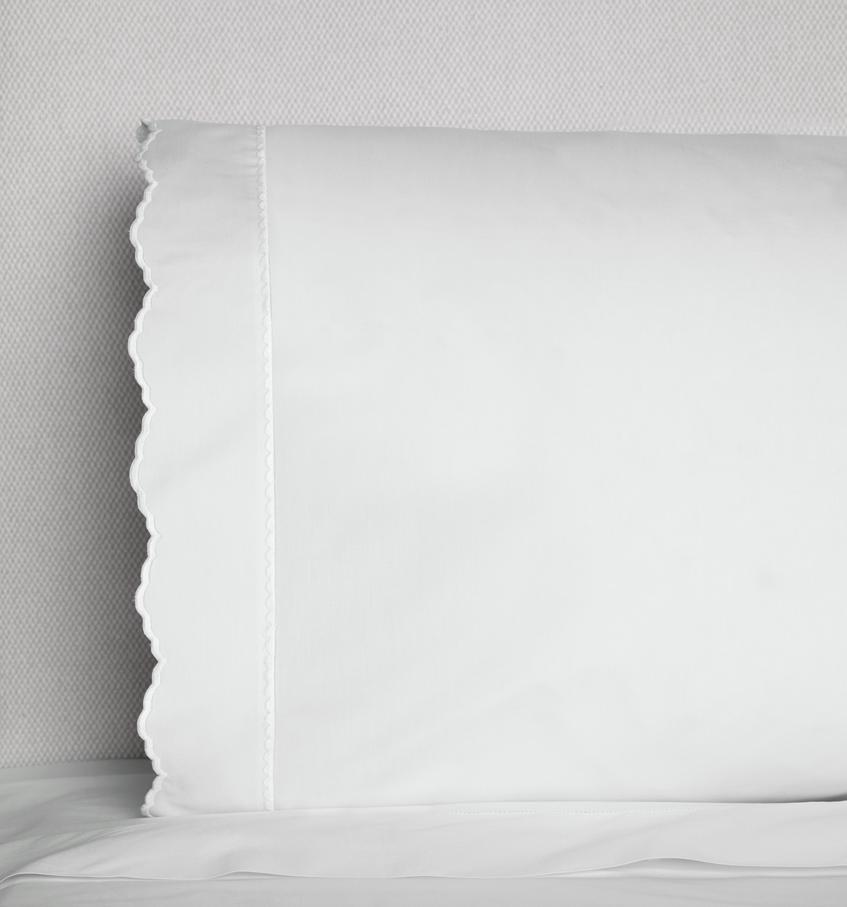
Among the smallest but most telling elements of a sleep system are pillowcases. The Pettine Pillowcases, crafted in Italy from 100% extra-long-staple cotton and finished in percale, epitomize the balance between luxury and practicality. Embroidered scalloped edges and a lined satin stitch border give a crisp, durable finish that remains resilient wash after wash. While a pillow is intended for humans, a well-made cover is a model for the care we extend to every fabric in a pet’s sleep space: soft against sensitive noses, breathable to regulate temperature, and simple to care for during busy routines.
The Pettine line, though marketed for human bedding, inspires a design ethos: precision in weave, attention to tactile quality, and an enduring sense of calm. In a home that shares its life with companions, the details of a pillowcase mirror the broader philosophy: high-quality materials, thoughtful construction, and the quiet confidence that a modest, well-made item can elevate everyday life.
Product spotlight: Pettine Pillowcases
Crafted in Italy from 100% extra-long-staple cotton and finished in percale, Pettine offers a crisp, cool hand with embroidered scalloped edges. Sold in sets of two, these pillowcases combine practicality with refined aesthetics, a reminder that luxury need not be extravagant to be meaningful.
Price: 259.00
A Practical Guide: Choosing the Right Bed for Your Pet
The process of selecting a pet bed is a negotiation between form, function, and physiology. For senior pets, step-in designs with bolster support can minimize joint strain and provide a sense of security. For puppies and kittens, chew-resistant fabrics and easy-clean covers reduce wear and tear while teaching healthy sleep habits. For dogs with larger frames or orthopedic needs, a memory-foam core with a wide, low-profile surface provides a stable platform for restful nights.
Material stories matter. Natural fibers like organic cotton offer breathability and gentle textures, while synthetic blends can deliver durability and faster drying. Waterproof barriers and removable covers simplify cleaning, reducing the friction between life with pets and the requirements of a hygienic home. The goal is to curate a sleep space that becomes a source of comfort rather than a daily chore.
The Non-Negotiables: Care, Cleaning, and Maintenance
A bed that lasts is a bed that can be cleaned. The ability to remove covers, wash at appropriate temperatures, and dry without losing shape is essential. Waterproof linings, removable shells, and colorfast fabrics help keep a pet’s bed looking and feeling fresh for years. Routine care rituals — vacuuming the surface, rotating cushions, and inspecting seams for wear — extend the bed’s life and reinforce a culture of care within the home.
The bed is not a single object but a system. When a single element in that system is well-made, it reverberates through the entire sleep experience: less shedding on bedding, fewer nighttime disturbances, and a calmer, more predictable restful period for both pets and their humans.
Beyond Beds: A Broader View of Pet Comfort in the Home
If we extend our gaze beyond the bed itself, we recognize that pet comfort interacts with room dynamics, acoustics, and daily routines. A well-designed bed complements a quiet corner by a sunny window, a protected perch near the family hub, or a space that doubles as a sanctuary during storms. The home becomes a unified ecosystem where sleep, play, and care are braided together in daily life.
In this broader context, the bed is a node in a network of comfort: a water dish sip of hydration nearby, a soft rug that cushions paws, and a window with a view that reduces anxiety. Thoughtful layout and careful selection of textures create a home that invites rest as a natural, recurring virtue.
A Quick Reference: Glossary of Terms for Pet Bedding
- Orthopedic core: A supportive foam layer designed to minimize pressure on joints.
- Percale weave: A crisp, breathable fabric weave that feels cool to the touch.
- Waterproof barrier: A protective layer that resists liquids while allowing moisture to escape.
- Hypoallergenic fill: Materials chosen to minimize allergen exposure for sensitive pets.
- Removable cover: A washable outer layer that makes cleaning efficient and convenient.
Conclusion: The Quiet Revolution of Pet Sleep
The modern pet bed is a convergence of science, craft, and care. It is a quiet instrument of welfare, not merely a decorative accessory. As we design and select beds, we step into a practice of mindfulness: of our pets’ bodies, of our homes, and of the rituals that knit daily life into a shared, peaceful existence. Through materials, forms, and maintenance, we honor a simple truth: comfort, when thoughtfully chosen and tended, becomes a lasting gift for every family member — human or animal.
Product Highlight: Pettine Pillowcases in a Sleep Ecosystem
Featured product: Pettine Pillowcases
Crafted in Italy from 100% extra-long-staple cotton and finished in percale, Pettine pillowcases present a refined, durable surface ideal for any sleep setup. The embroidered scalloped edges and lined satin stitch border add a subtle luxury that echoes through the bedding ensemble.
Price: 259.00
Note: This product example demonstrates the level of craft that informs sleep environments. The Pettine line is one exemplar among textiles that set the tonal quality of a room devoted to comfort.
Further Reading and Resources
For readers who want to explore more about pet sleep health, consider consulting veterinary guidance on joint care, sleep behavior research, and materials science that informs the durability and safety of bedding fabrics. Reliable guidelines emphasize washability, material safety, and the long-term health benefits of a clean, supportive sleeping space.
A well-curated sleep environment is a lifelong project that evolves with a pet’s needs. By approaching bedding with curiosity, care, and credible sources, we keep pace with the science of rest while honoring the warmth of companionship.